Home Care to prevent Gum Disease

How Can Gum Disease Be Prevented? Gingivitis can be reversed and gum disease can be kept from getting worse in nearly all cases when proper plaque control is practiced. Proper plaque control consists of professional cleanings at least twice a year and daily brushing and flossing.   Brush your teeth twice a day. Use a soft-bristled brush and fluoride toothpaste. Replace your toothbrush every 3 months, or sooner if the bristles become frayed. Old, worn-out ones won’t clean teeth as well. Brushing gets rid of plaque on the surfaces of the…

Read More

What Causes Gum Disease?

Plaque is the primary cause of gum disease. However, other factors can contribute to periodontal disease. These include: Hormonal changes, such as those occurring during pregnancy, puberty, menopause, and monthly menstruation, make gums more sensitive, which makes it easier for gingivitis to develop. Illnesses may affect the condition of your gums. This includes diseases such as cancer or HIV that interfere with the immune system. Because diabetes affects the body’s ability to use blood sugar, patients with this disease are at higher risk of developing infections, including periodontal disease and cavities. Medications can…

Read More

What is Gum Disease? (Gingivitis and Periodontal Disease)

Periodontitis, also generally called gum disease or periodontal disease, begins with bacterial growth in your mouth and may end — if not properly treated — with tooth loss due to destruction of the tissue that surrounds your teeth. What’s the Difference Between Gingivitis and Periodontitis? Gingivitis (gum inflammation) usually happens before periodontitis (gum disease). But not all gingivitis leads to periodontitis. Most people get gingivitis at some point in their lives, and its mild symptoms make it easy to ignore. But without treatment, it can turn into bigger problems for your mouth. The good news is that…

Read More

What is tooth cavity?

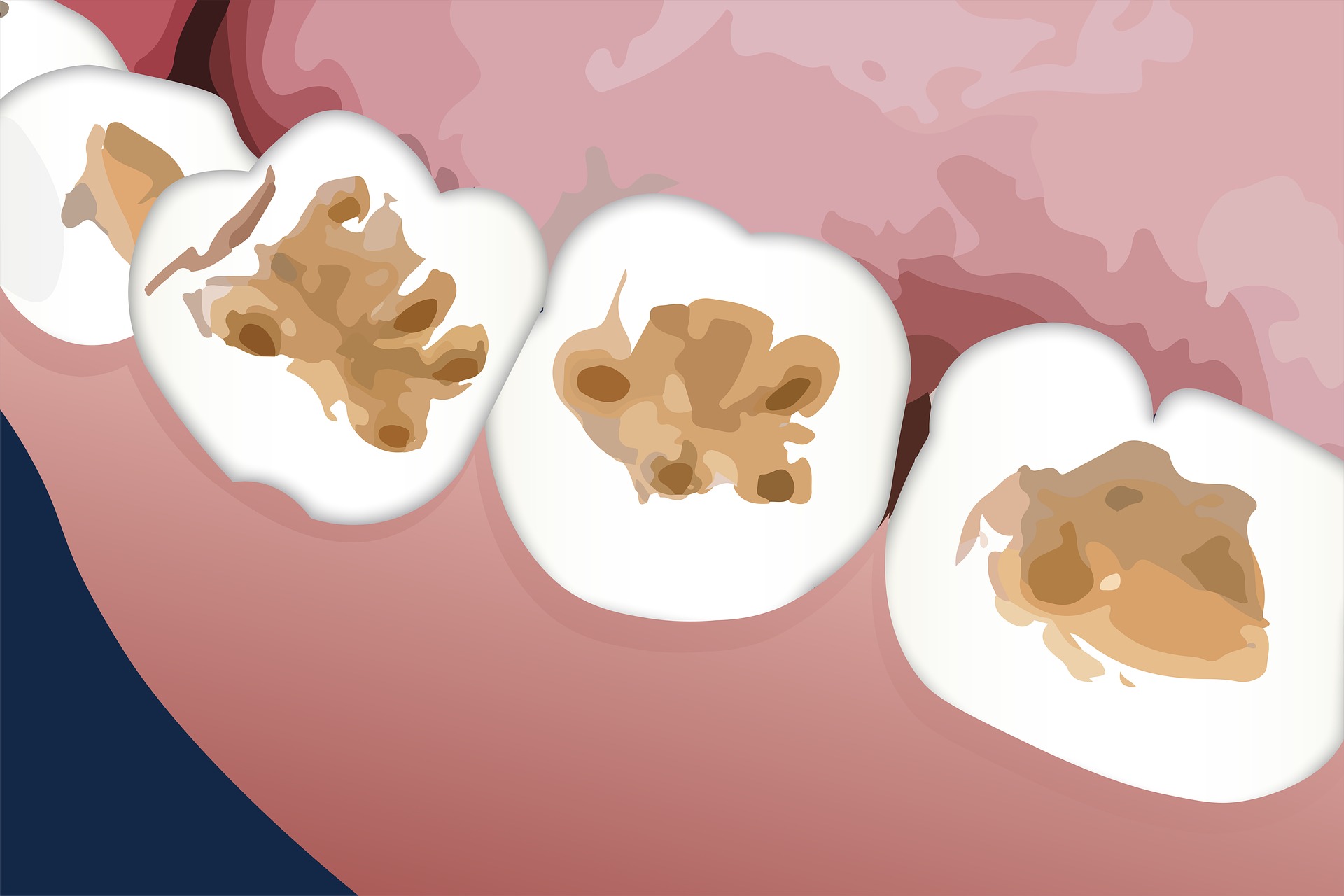
A tooth cavity is damage to a tooth due to tooth decay also known as caries which results from bacteria activity on the tooth surface. Decay can affect the outer coating of a tooth (called enamel) and the inner layer (called dentin). Bacteria evade removal by brushing and saliva and damage the enamel and deeper structures of teeth. Most cavities occur on molars and premolars. Tooth decay: A general name for disease of the teeth, including cavities. Cavity Signs and Symptoms The symptoms of a cavity will depend on how large it…

Read More

Home Oral Care During Pregnancy

Pregnancy is a wonderful time in a woman’s life. But it’s journey is remarkably different for every woman, from the day you get the news to the day you carry your bundle of joy, you will go through different phases, your mindset, body and soul will go through numerous changes.First of all The old wives’ tale that warns a woman to expect a lost tooth for every baby is false. Losing a tooth is not a normal part of pregnancy, and if you do, you most likely already had an…

Read More

DENTAL CARE EXPERT TIPS FOR TEENS AT HOME

It is not unusual to find a teen who puts stringent measures in place to keep his or her pearly whites in top shape. It is also not unusual to find a teen who cares less about his or her oral health. Habits that teens create now follow them into adulthood and these habits become very difficult to change when they grow older. Adolescents transition from childhood to adulthood not just physically but emotionally hence patience is required when it comes to helping them with their oral health. If you…

Read More

3 REASONS FOR A DENTAL CHECK-UP EVEN IF YOU DON’T HAVE A CAVITY IN YOUR TOOTH

This COVID 19 pandemic is an overwhelming time for a lot of us, with so many uncertainties, where it seems everything is on pause but time is still going. Your oral health should still remain a priority. Here are 3 reasons you should get a dental check up even if you don’t have a cavity in your tooth 1. Tooth decay is a process that may have sensitivity as the first sign: In my 8 years of practicing dentistry & specializing in Ghana, and even with research it seems most…

Read More

Bad breath check: SAY “GAPOHA!”

It may sound like today’s piece is about the Ghana Ports and Harbors Authority (GAPOHA) but that is not the case. “Say Gapoha” used to be a way that police officers used to test for excessive alcohol intake in road drivers’ breaths when breath analyzers had not been fully introduced on the market. This subjective method is still being used by individuals to detect bad breath by cupping their hands and saying “GAPOHA” and sniffing their breath. Bad breath, which is scientifically termed as halitosis, is a noticeably unpleasant odor…

Read More

Mom & Dad’s Teethlicious Guide

Congratulations on your bundle of joy, train up a child in the way to go and when he or she is old, he or she shall not depart from it. With so many ideas and contributions from mothers, grand mothers and the world at large. It can be quite confusing to select which advice to follow. When you have a child everyone seems to have an opinion or experience to share. But in the end whatever you decide, you will be blamed or praised for the consequences.  Its with that I am directing the…

Read More

Oral Care Products: Dentrifice the “Tooth Rub”

Dentifrices also known as tooth rub are agents used along with a toothbrush to clean and polish natural teeth. They are supplied in paste, powder, gel or liquid form. Most of the cleaning is achieved by the mechanical action of the toothbrush, and not by the tooth rub. Types of Dentifrice Tooth paste Tooth powder Tooth soap Mouthwash TYPES OF DENTIFRICE Toothpaste: The most essential dentifrice recommended by dentists is toothpaste. The tooth rub ingredients are made into a paste and packaged in a tube. The main purpose of the paste is to…

Read More